
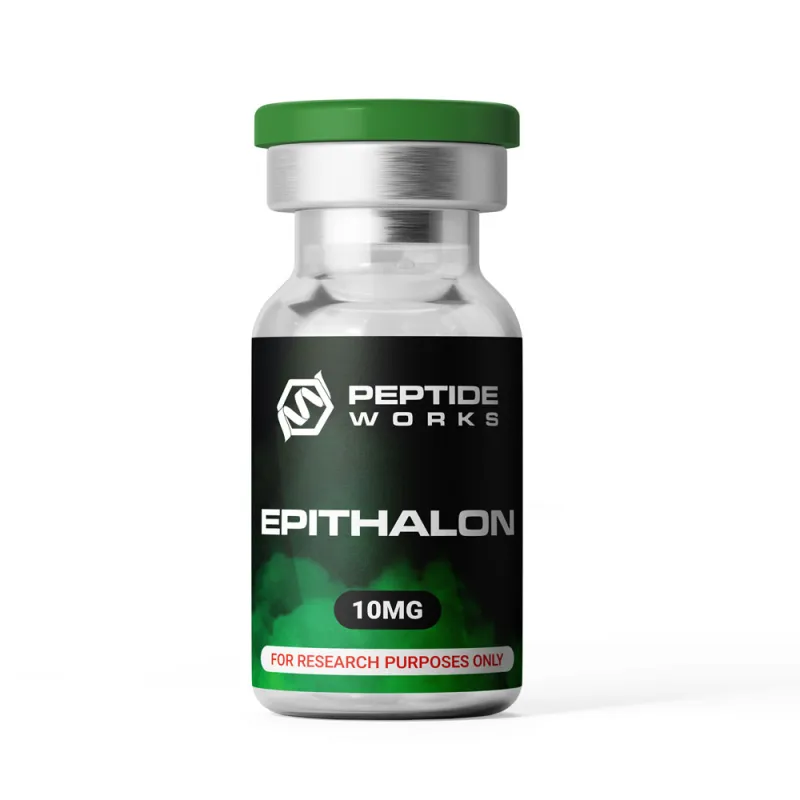
Epithalon Peptide (Epitalon): Telomerase Activation & Anti-Aging
Epithalon peptide (also spelled Epitalon) is a synthetic tetrapeptide consisting of four amino acids: Ala-Glu-Asp-Gly. Developed by the St. Petersburg Institute of Bioregulation and Gerontology, it acts as a synthetic analog of the pineal gland peptide Epithalamin.
The primary mechanism of Epithalon centers on upregulating telomerase, an enzyme that elongates shortened telomeres at the ends of chromosomes. By preserving telomere length, Epithalon supports cellular longevity, pineal gland function, and circadian rhythm balance.
Key Epitalon Peptide Benefits
Evaluating epitalon peptide benefits highlights core geroprotective mechanisms:
-
Telomerase Activation: Stimulates endogenous telomerase activity to lengthen chromosome caps and delay cellular senescence.
-
Pineal Gland Regulation: Normalizes pineal gland function and restores natural melatonin secretion patterns.
-
Circadian Rhythm Support: Improves sleep quality and regulates internal biological clocks.
-
Antioxidant & Immune Defense: Suppresses lipid peroxidation and supports immune system resilience in aging models.
Epitalon Peptide Dosage & Protocol Guidelines
Establishing a proper epitalon peptide dosage relies on short, targeted research cycles rather than continuous daily administration:
| Protocol Phase | Daily Dosage | Cycle Duration | Frequency |
| Standard Longevity Protocol | 5mg – 10mg daily | 10 to 20 consecutive days | 1 to 2 times per year |
| Micro-Dosing Protocol | 1mg – 2mg daily | 10 to 20 consecutive days | Quarterly maintenance |
Epithalon vs. Other Anti-Aging & Metabolic Peptides
Research models frequently evaluate Epithalon alongside other specialized peptide bioregulators:
-
Epithalon vs. Thymalin Peptide: While Epithalon regulates pineal function and telomeres, thymalin peptide is a bioregulator targeting T-cell maturation and immune system restoration.
-
Epithalon vs. Peptide SS31: Epithalon preserves nuclear telomeres, whereas peptide ss31 selectively targets mitochondrial membranes to reduce oxidative stress and optimize ATP output.
-
Epithalon vs. DSIP Peptide: Epithalon promotes long-term circadian balance via melatonin signaling, while dsip peptide (Delta Sleep-Inducing Peptide) directly modulates neuroendocrine sleep onset pathways.
-
Tesamorelin Peptide vs Epithalon Peptide: Tesamorelin peptide acts as a GHRH agonist targeting visceral fat loss and metabolic health, whereas Epithalon targets cellular lifespan and telomere preservation.
Product Specifications & Storage
-
Compound: Epithalon (Epitalon / Ala-Glu-Asp-Gly)
-
Form: Freeze-dried (lyophilized) powder vial (10mg / 50mg)
-
Purity: Premium Research Standard (>98% HPLC Verified)
-
Storage Instructions: Store unopened lyophilized powder frozen at -20°C. Reconstitute using sterile Bacteriostatic Water, store refrigerated (2°C to 8°C), and use within 28 days.
Frequently Asked Questions (FAQs)
What is Epithalon peptide used for?
Epithalon peptide is researched for its ability to activate telomerase, elongate shortened telomeres, regulate pineal gland function, and support biological aging control.
How does Epithalon compare to Thymalin peptide?
Epithalon acts as a pineal bioregulator that targets telomeres and anti-aging pathways, while Thymalin peptide acts as a thymus bioregulator that restores cellular immune function.
What is the difference between Tesamorelin peptide vs Epithalon peptide?
Tesamorelin peptide stimulates growth hormone release to target fat reduction and metabolic health, whereas Epithalon focuses on cellular longevity and telomere preservation.
How often is an Epitalon peptide dosage cycle repeated?
In research studies, Epithalon is administered in 10- to 20-day cycles repeated 1 to 2 times per year, rather than through continuous daily usage.
Where can I buy research-grade Epithalon peptide online?
You can order lab-tested, high-purity Epithalon peptide vials directly online from Peptide Works with guaranteed HPLC certificates of analysis and rapid shipping.
Disclaimer: This product is strictly sold as a research chemical for laboratory development and educational purposes only. Not for human or animal consumption.
Be the first to review “Epithalon Peptide Vial”
Related products
Peptide Vials
Peptide Vials
Peptide Vials
Peptide Vials
Peptide Vials
Peptide Vials
Peptide Vials
Peptide Vials
Reviews
There are no reviews yet.