
TB-500 vs BPC-157: Which Healing Peptide Is Right for Your Research?
When looking into tissue repair and joint recovery compounds, BPC-157 and TB-500 are the two most researched peptides available. While both promote faster healing, lower inflammation, and tissue regeneration, they use completely different mechanisms to get the job done.
Understanding the difference between TB-500 vs BPC-157 helps researchers target targeted injuries, general muscle wear, or gut health far more effectively.
Key Differences: TB-500 vs BPC-157
-
BPC-157 (Targeted Repair): Works primarily at a localized site. It stimulates blood vessel growth (angiogenesis) to bring blood flow and nutrients directly to injured tendons, ligaments, and gut tissue.
-
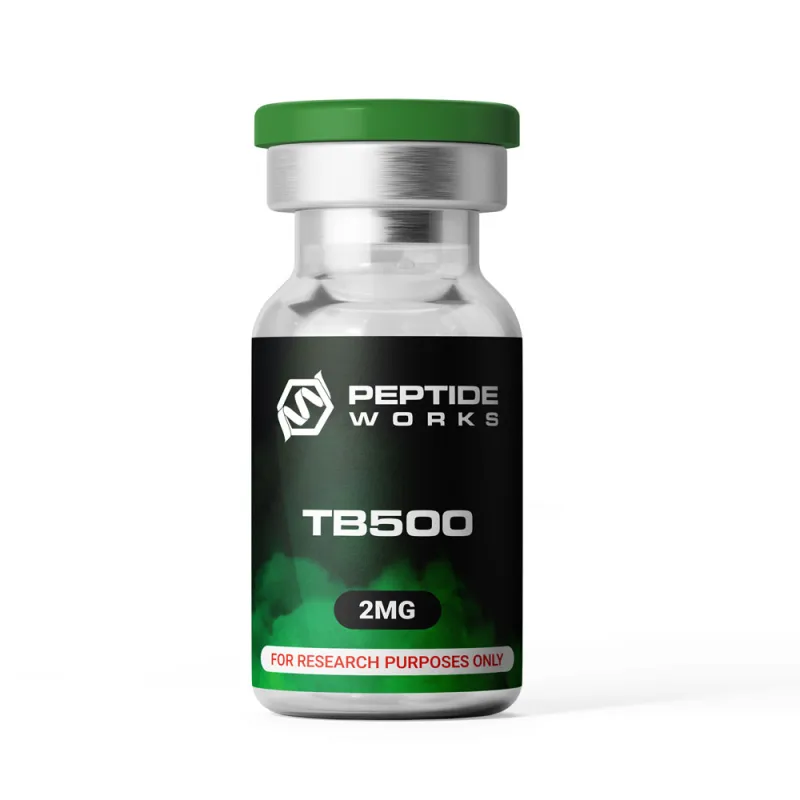
TB-500 (Systemic Recovery): Acts body-wide. It controls cellular movement (actin regulation) to help healing cells travel quickly to damaged muscles, skin, and connective tissue anywhere in the body.
| Feature | BPC-157 | TB-500 |
| Primary Action | Builds new blood supply at target site | Directs repair cells body-wide |
| Best For | Tendons, ligaments, joints, & gut health | Broad muscle recovery, flexibility, & skin tissue |
| Scope of Work | Localized site repair | Systemic (whole-body) repair |
Why Researchers Combine Them: The “Wolverine Stack“
Because BPC-157 and TB-500 work on complementary biological paths, combining them produces a synergistic effect known as the Wolverine Stack.
-
BPC-157 builds the structural foundation and new blood vessels at the exact injury site.
-
TB-500 mobilizes repairing cells across the body to migrate to that structural foundation faster.
Together, they offer complete support for soft tissue injuries, recovery from intense physical stress, and joint mobility.
Product Handling & Storage
-
Form: Lyophilized (freeze-dried) powder vials
-
Purity: >98% High-Grade Research Standard
-
Storage: Store unopened vials in a cool, dark place or freeze at -20°C. After reconstituting with Bacteriostatic Water, keep refrigerated (2°C to 8°C).
Frequently Asked Questions (FAQs)
What is the main difference in TB-500 vs BPC-157?
BPC-157 focuses on targeted, site-specific repair (especially in tendons, joints, and the stomach) by creating new blood vessels. TB-500 works systemically throughout the body to speed up cell movement and general muscle recovery.
Can you take BPC-157 and TB-500 together?
Yes, researchers frequently combine them into what is called the “Wolverine Stack”. Using both provides a double-action approach that speeds up healing faster than using either peptide by itself.
Which peptide is better for tendon and ligament damage?
BPC-157 is generally considered the primary choice for specific tendon and ligament repair due to its ability to organize collagen and rebuild local tissue. However, adding TB-500 helps restore flexibility and range of motion around the injured joint.
Where can I buy BPC-157 and TB-500 vials online?
You can buy premium, research-grade BPC-157, TB-500, and pre-blended stack vials directly from Peptide Works.
Disclaimer: These products are strictly intended for laboratory research and educational purposes. Not for human or animal consumption.
Be the first to review “TB500 Peptide Vial”
Related products
Peptide Vials
Peptide Vials
Peptide Vials
Peptide Vials
Peptide Vials
Peptide Vials
Peptide Vials
Peptide Vials
Reviews
There are no reviews yet.