
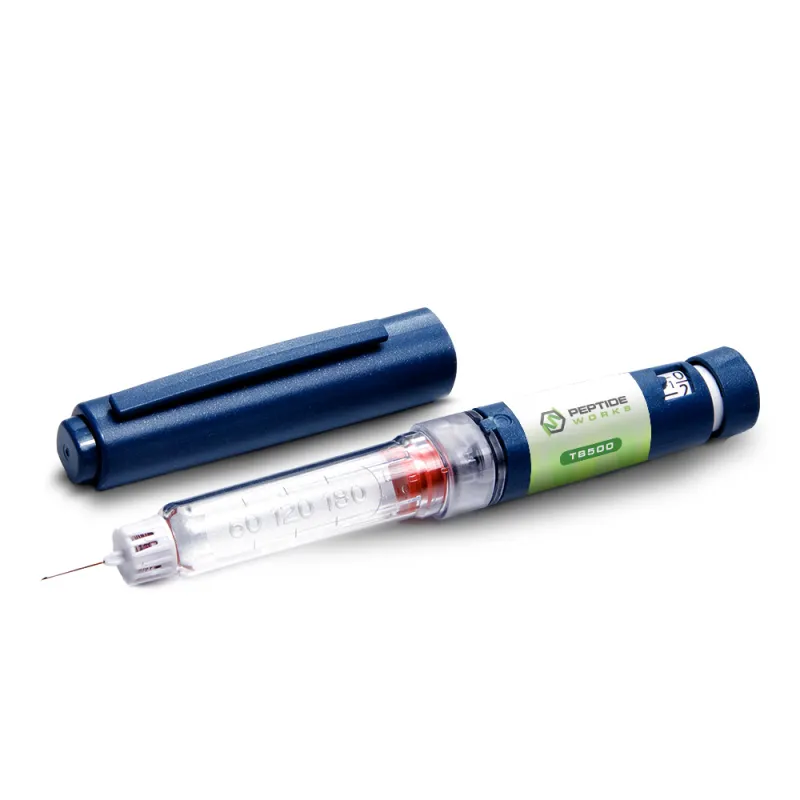
TB500 or BPC 157: Choosing the Right Peptide for Injury Recovery
When evaluating systemic healing and tissue regeneration protocols, researchers frequently compare TB500 or BPC 157. Both compounds are potent synthetic peptides capable of accelerating structural recovery in connective tissues, muscles, and joints, but they operate through distinct biological pathways.
Understanding the unique mechanism of action for each compound—and how a bpc 157 and tb 500 stack combines their strengths—is critical for designing optimized laboratory trials.
TB 500 vs BPC 157: Key Mechanism Differences
Comparing tb 500 vs bpc 157 highlights fundamental differences in molecular structure, cellular signaling, and target tissue specificity:
| Feature | BPC-157 (Body Protection Compound) | TB-500 (Thymosin Beta-4 Fragment) |
| Origin | Pentadecapeptide fragment of gastric juice protein | Synthetic fragment of naturally occurring Thymosin $beta_4$ |
| Primary Mechanism | Angiogenesis (VEGFR2 pathways) & NO synthesis | Actin sequestration & cellular cell-migration signaling |
| Target Area | Localized tendon, ligament, gut mucosal & joint repair | Systemic muscle, flexibility, and whole-body tissue repair |
| Half-Life | Short (~4 to 6 hours) | Extended (~24 to 48 hours) |
| Dosing Frequency | Daily or twice daily | 1 to 2 times per week |
While bpc 157 for tendon healing excels at localized connective tissue repair and mucosal integrity, tb 500 benefits center on systemic mobility, cell migration, and actin-mediated structural repair.
The BPC 157 and TB 500 Stack Protocol
Combining both compounds in a bpc 157 tb500 blend creates a complementary healing environment where BPC-157 constructs new capillary blood supply while TB-500 mobilizes repairing cells to the target site.
Research BPC 157 TB 500 Dosage Chart
| Protocol Type | BPC-157 Daily Dose | TB-500 Weekly Dose | Cycle Duration |
| Mild / Soft Tissue Recovery | 250mcg (1x daily) | 2.5mg (1x weekly) | 4 to 6 weeks |
| Moderate Joint / Tendon Protocol | 250mcg (2x daily) | 5mg (split into 2x 2.5mg) | 6 to 8 weeks |
| Severe Injury Rehabilitation | 500mcg (2x daily) | 5mg to 10mg weekly | 8 to 12 weeks |
Safety Profile & Side Effects
Both peptides demonstrate strong biocompatibility in preclinical literature:
-
BPC 157 Side Effects: Generally rare, limited to mild injection site redness, transient head pressure, or mild digestive shifts due to gut receptor activation.
-
TB-500 Side Effects: Mild, occasional temporary fatigue, lightheadedness post-injection, or localized irritation.
Product Specifications & Handling
-
Compound: BPC-157 / TB-500 (Standalone or Pre-blended Vials)
-
Form: Lyophilized freeze-dried powder vial (5mg / 10mg)
-
Purity: Premium Laboratory Grade (>98% HPLC Certified)
-
Storage Instructions: Store unopened vials frozen (-20°C). Reconstitute with Bacteriostatic Water, store refrigerated between 2°C and 8°C, and use within 30 days.
Frequently Asked Questions (FAQs)
Should I choose TB500 or BPC 157 for injury research?
Choose BPC-157 for targeted tendon, ligament, and gut mucosal repair. Choose TB-500 for broad muscle injuries, systemic tissue repair, and flexibility enhancement. Combining both yields the most comprehensive recovery response.
How does a BPC 157 and TB 500 stack work?
BPC-157 promotes angiogenesis (new blood vessel formation) to supply nutrients, while TB-500 upregulates actin to accelerate cell migration to the damaged area, creating a synergistic healing process.
What is the typical BPC 157 TB 500 dosage frequency?
BPC-157 is typically administered 1 to 2 times daily due to its shorter half-life, whereas TB-500 is administered 1 to 2 times per week.
Where can I buy pure BPC 157 and TB 500 online?
You can order certified, high-purity BPC-157 and TB-500 vials or pre-blended research products directly online from Peptide Works with verified HPLC certificates.
Be the first to review “TB500 Pre-Mixed Peptide from Peptide”
Related products
Pre-mixed Peptide Pens
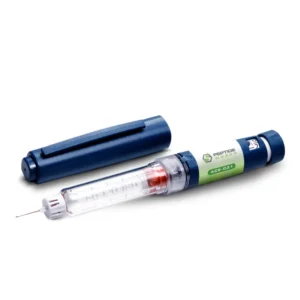
Pre-mixed Peptide Pens
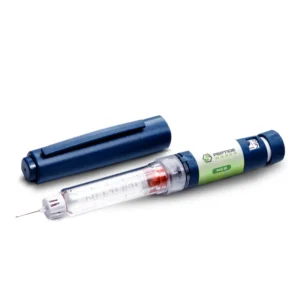
Pre-mixed Peptide Pens
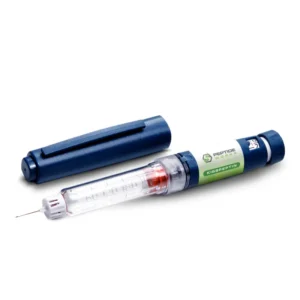
Pre-mixed Peptide Pens
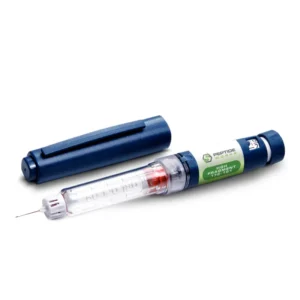
Pre-mixed Peptide Pens
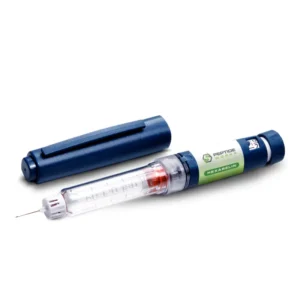
Pre-mixed Peptide Pens
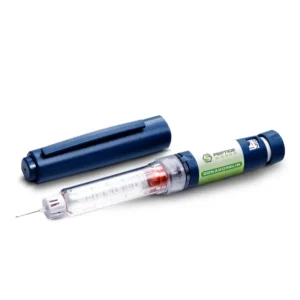
Pre-mixed Peptide Pens
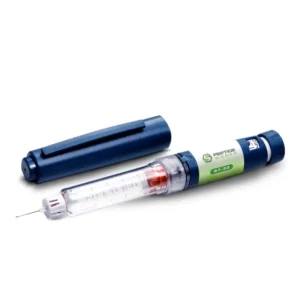
Pre-mixed Peptide Pens
Reviews
There are no reviews yet.